
New Jersey Reopens Debate on Casino Expansion Beyond Atlantic City Amid Rising Competition
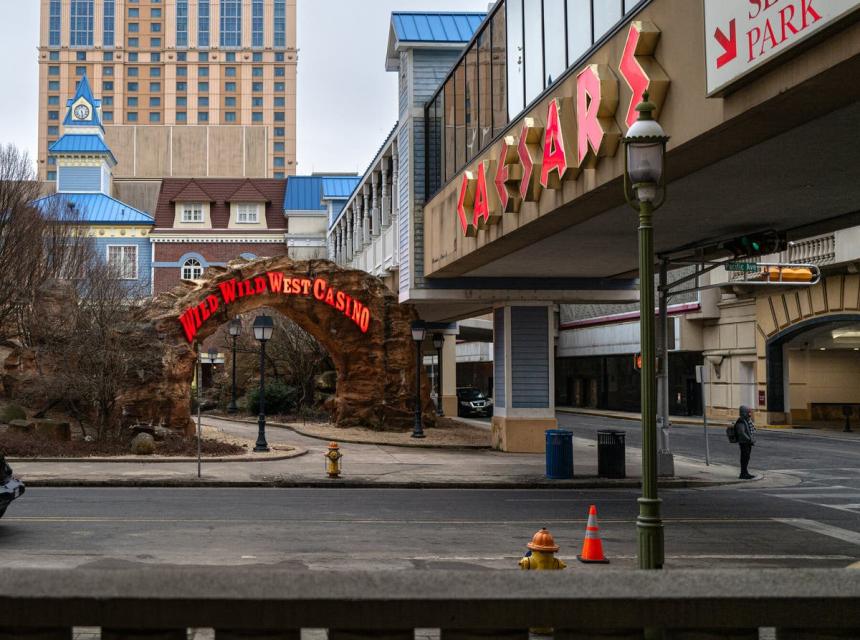
New Jersey policymakers are reconsidering the possibility of legalizing casinos outside Atlantic City, reviving a debate that voters decisively rejected nearly a decade ago. The renewed discussion is largely driven by the emergence of three major casino developments planned in New York City, which could draw gamblers and tax revenue away from the state. Lawmakers have introduced legislation that could allow casinos to be established at the Meadowlands and Monmouth Park racetracks, subject to voter approval. While supporters argue the move could protect state revenues and strengthen the gaming industry, opponents warn that expanding casino gambling may weaken Atlantic City’s already challenged economy.
A Renewed Push for Casino Expansion in New Jersey
New Jersey’s gaming industry is once again at the center of a significant policy debate. Lawmakers have introduced legislation that could pave the way for casino developments outside Atlantic City, the state’s long-standing gambling hub.
The proposal would authorize the development of two casinos at the Meadowlands Racetrack in northern New Jersey and Monmouth Park Racetrack along the Jersey Shore. However, because casino gaming outside Atlantic City requires a constitutional amendment, the final decision would rest with voters through a statewide referendum.
The initiative represents the most serious attempt in nearly a decade to reconsider the geographic limitations on casino operations within the state.
Rising Competitive Pressure From New York
The renewed legislative effort is largely motivated by the growing competition from neighboring New York, where three large casino resorts are currently planned for New York City.
These projects, expected to attract millions of visitors annually, could significantly alter the regional gaming landscape. New Jersey officials fear that gamblers who currently travel to Atlantic City may instead choose to visit casinos located closer to New York City’s population centers.
Supporters of the expansion argue that developing casinos in northern New Jersey would allow the state to retain gambling activity and prevent valuable tax revenue from shifting across state lines.
Strategic Locations: Meadowlands and Monmouth Park
The proposed casino locations—Meadowlands Racetrack and Monmouth Park Racetrack—are considered strategically positioned within the state’s gaming ecosystem.
Both venues already host sports betting operations and horse racing events, meaning gambling activities are already present at these sites in regulated forms. Advocates argue that introducing full casino operations would represent a logical expansion of existing entertainment offerings.
The Meadowlands property is particularly notable due to its proximity to New York City, placing it within a highly populated metropolitan region with substantial demand for entertainment and gaming experiences.
Protecting Atlantic City’s Economic Role
Atlantic City has served as the cornerstone of New Jersey’s casino industry for decades, generating employment, tourism, and tax revenue for the region. However, the city’s gaming market has experienced significant challenges over the past decade.
Several casinos closed during periods of declining revenue and increased competition from casinos in neighboring states such as Pennsylvania and Maryland. Although the remaining nine casinos continue to operate, the market remains highly competitive.
Leaders from southern New Jersey have voiced strong opposition to expanding casinos elsewhere in the state, arguing that doing so could weaken Atlantic City’s economic foundation.
Political Debate and Legislative Process
The proposed legislation has been introduced by influential state senators as part of a broader discussion about the future of the state’s gaming sector. Their plan could ultimately place the issue before voters as early as the next statewide election.
State officials emphasize that the current stage of the proposal is exploratory, with policymakers evaluating potential economic benefits, regulatory considerations, and the broader impact on New Jersey’s gaming industry.
The state government has also indicated that any expansion proposal would require careful consultation with Atlantic City stakeholders to ensure that the city’s tourism industry remains protected.
Revenue Framework and Licensing Considerations
Supporters of the proposal have suggested that any new casino developments should include mechanisms to support Atlantic City’s tourism economy.
One concept being discussed involves allocating at least 10 percent of tax revenue generated by new casinos toward programs designed to promote tourism and economic development in Atlantic City.
In addition, developers have proposed implementing significant licensing fees for casino operators. In nearby New York, casino licenses have required upfront payments of at least $500 million—approximately Rs 4,150 crore—indicating the scale of potential financial commitments involved in large gaming projects.
Such fees could create substantial revenue opportunities for the state government.
Lessons From the 2016 Referendum
The current debate echoes a similar proposal presented to voters in 2016. At that time, New Jersey residents overwhelmingly rejected the idea of expanding casinos beyond Atlantic City, with the measure failing by a large margin.
That outcome demonstrated strong public support for maintaining Atlantic City as the exclusive center of casino gambling within the state.
However, the regional gaming market has evolved considerably since then. New casinos across the northeastern United States have intensified competition, prompting policymakers to reconsider whether the state’s existing regulatory framework remains economically viable.
Economic Implications for the Regional Gaming Market
Industry analysts caution that casino markets typically have finite demand. In many cases, new casinos do not significantly increase total gambling activity but instead redistribute existing revenue among competing venues.
For Atlantic City, this dynamic has been particularly evident. The city has already experienced the impact of regional competition as newer casinos opened in surrounding states.
Some experts therefore question whether building additional casinos in New Jersey would truly expand the market or simply shift gambling activity within the state.
The Road Ahead
As the legislative process continues, New Jersey faces a complex strategic decision about the future of its gaming industry. Expanding casino operations beyond Atlantic City could help the state compete more effectively with emerging developments in New York.
At the same time, such a move could fundamentally reshape the balance of the state’s gaming economy.
Ultimately, the issue will likely be decided not only by lawmakers but also by voters, whose approval would be required to amend the state constitution. Their decision could determine the trajectory of New Jersey’s casino industry for years to come and influence the broader competitive landscape of gaming in the northeastern United States.
- Log in to post comments