
Maruti Suzuki Accelerates EV Strategy, Plans Four New Electric Models by 2031
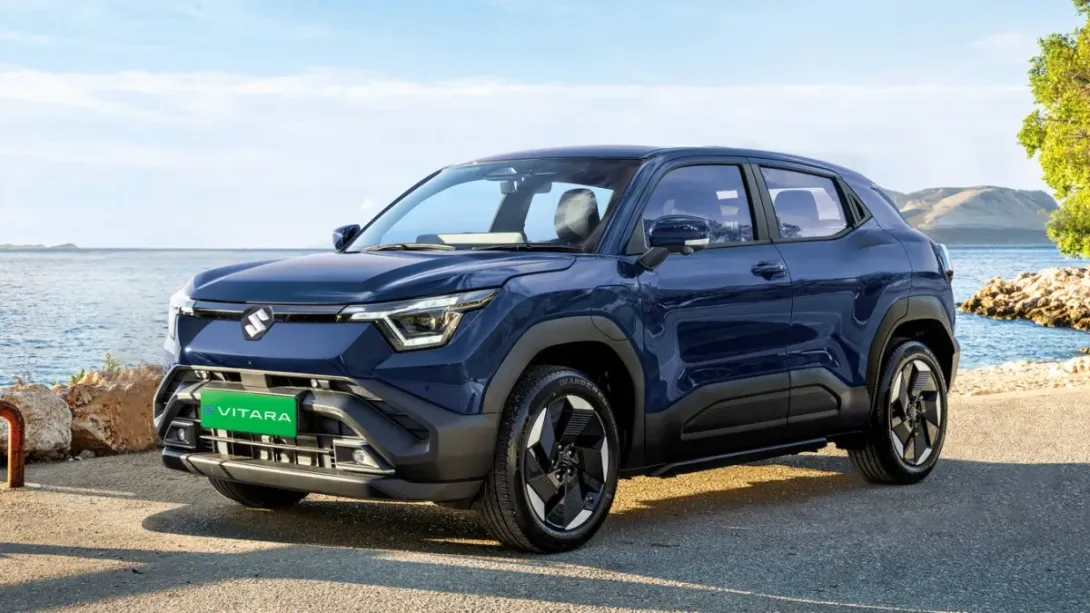
India’s largest carmaker is intensifying its push into electric mobility, announcing plans to introduce four additional electric vehicles by 2031 as part of its long-term strategy. The move reflects a decisive shift toward sustainable transportation amid rising consumer demand and regulatory emphasis on cleaner energy solutions. The company recently marked a milestone by delivering over 100 units of its first electric model in a single day, signaling growing market acceptance. With a diversified EV pipeline in development, the automaker aims to expand its presence across multiple vehicle segments while reinforcing its leadership in India’s evolving automotive landscape.
Strategic Expansion into Electric Mobility
Maruti Suzuki India Limited has outlined an ambitious roadmap to strengthen its electric vehicle (EV) portfolio, with plans to introduce four new EV models by 2031. This expansion forms part of the company’s broader midterm strategy to align with global sustainability trends and domestic policy shifts favoring cleaner mobility solutions.
The announcement underscores a pivotal transition for the automaker, which has historically dominated the internal combustion engine segment but is now accelerating its entry into the EV market.
Milestone Delivery Signals Growing Market Acceptance
The company recently achieved a notable milestone with the delivery of 108 units of its electric SUV, the e-VITARA, in a single day. This development highlights increasing consumer confidence in the brand’s electric offerings and reflects a gradual shift in buyer preferences toward environmentally friendly vehicles.
According to senior executive Partho Banerjee, the milestone is indicative of the company’s readiness to scale its EV operations while maintaining its strong market reputation.
Diversified Product Pipeline Across Segments
Maruti Suzuki’s future EV lineup is expected to span multiple segments, catering to a wide range of consumer needs. The company’s approach suggests a comprehensive strategy aimed at capturing both entry-level and premium segments, thereby maximizing market penetration.
By diversifying its product portfolio, the automaker aims to address varying price sensitivities and usage patterns, a critical factor in a market as diverse as India. This multi-segment strategy is likely to enhance competitiveness against both domestic and international EV manufacturers.
Industry Context: Transition Toward Sustainable Mobility
The announcement comes at a time when the global automotive industry is undergoing a structural transformation. Governments and regulators are increasingly promoting electric mobility through incentives, stricter emission norms, and infrastructure development.
For Indian automakers, the transition presents both opportunities and challenges. While demand for EVs is rising, factors such as charging infrastructure, battery costs, and supply chain constraints remain key considerations.
Maruti Suzuki’s phased approach indicates a measured yet committed transition, balancing innovation with operational feasibility.
Implications for Market Leadership
As the market leader in India’s passenger vehicle segment, Maruti Suzuki’s entry into the EV space carries significant implications. Its extensive distribution network, brand equity, and manufacturing scale provide a competitive advantage in driving EV adoption.
Investors and industry observers will closely monitor the company’s execution strategy, particularly in areas such as pricing, technology integration, and customer experience. Successful implementation could reinforce its leadership position in the next phase of automotive evolution.
Conclusion: A Calculated Shift Toward the Future
Maruti Suzuki’s plan to introduce four new electric vehicles by 2031 reflects a strategic recalibration in response to changing market dynamics. The company’s early milestones, including the successful delivery of its first EV units, signal a promising start.
As the automotive sector transitions toward sustainability, the company’s ability to innovate, scale, and adapt will determine its long-term success. With a clear roadmap and strong market presence, Maruti Suzuki appears well-positioned to navigate the electric mobility revolution.
- Log in to post comments