
Maruti Suzuki Accelerates EV Strategy with Multi-Model Roadmap and Landmark e-VITARA Delivery
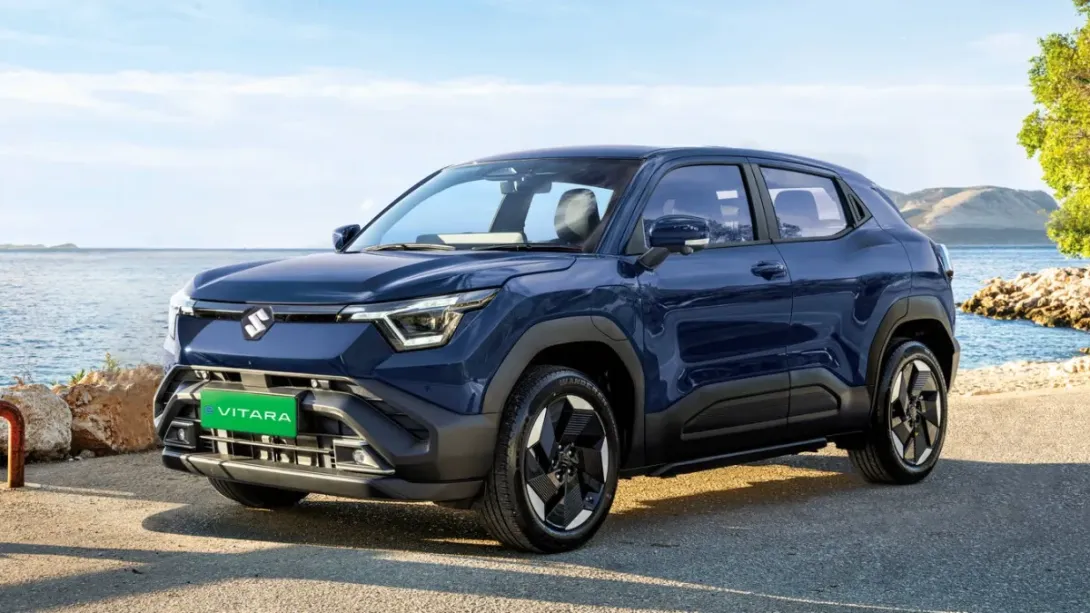
Maruti Suzuki India Ltd is intensifying its transition toward electric mobility with plans to introduce four new electric vehicles by 2031, signaling a decisive strategic pivot in India’s evolving automotive landscape. The company recently marked a milestone by delivering 108 units of its e-VITARA in a single day, reflecting rising consumer acceptance of electric vehicles. As competition intensifies in the battery electric vehicle (BEV) segment, Maruti Suzuki aims to secure market leadership through portfolio expansion, scale, and customer-centric innovation, aligning its long-term vision with India’s sustainability and clean mobility objectives.
A Strategic Shift Toward Electric Mobility
Maruti Suzuki’s roadmap to launch four additional electric vehicles by 2031 represents a calculated response to the accelerating global shift toward sustainable transportation. As regulatory pressures, environmental concerns, and technological advancements reshape the automotive sector, the company is repositioning itself to remain competitive in the emerging BEV ecosystem.
This strategic expansion reflects a broader industry transformation, where legacy automakers are investing heavily in electrification to future-proof their portfolios and align with decarbonization goals.
e-VITARA Delivery Signals Growing Market Confidence
The delivery of 108 e-VITARA units in a single event underscores a critical inflection point in consumer behavior. While India’s EV adoption curve has been gradual, such milestones indicate increasing trust in electric mobility solutions offered by established manufacturers.
For Maruti Suzuki, this achievement is more than symbolic—it demonstrates operational readiness, distribution strength, and the ability to translate product development into tangible market traction. It also reinforces the company’s credibility in a segment where early movers have historically dominated.
Expanding Portfolio Across Market Segments
The planned rollout of four new EV models suggests a diversified approach aimed at addressing multiple consumer segments. Industry observers expect the company to target a range of price points and vehicle categories, from compact urban cars to premium offerings.
Such a strategy is essential in India, where price sensitivity and infrastructure constraints continue to shape EV adoption. By broadening its portfolio, Maruti Suzuki can capture a wider customer base while mitigating risks associated with single-segment dependency.
Competitive Positioning in the BEV Market
Maruti Suzuki’s ambition to emerge as the leading player in the BEV segment by 2031 highlights the intensifying competition within India’s electric vehicle market. New entrants, along with established players, are rapidly scaling their EV offerings, creating a dynamic and highly competitive environment.
To achieve leadership, the company will need to leverage its extensive dealer network, brand equity, and cost efficiencies—areas where it has traditionally excelled. Additionally, investments in battery technology, charging infrastructure partnerships, and localization will be critical success factors.
Market Dynamics and Long-Term Outlook
India’s EV market is expected to witness exponential growth over the next decade, driven by supportive government policies, rising fuel costs, and increasing environmental awareness. However, challenges such as charging infrastructure gaps and high upfront costs persist.
Maruti Suzuki’s phased and scalable approach positions it well to navigate these complexities. By aligning product launches with market readiness, the company can optimize adoption rates while maintaining profitability.
Conclusion: A Defining Decade for Automotive Transformation
Maruti Suzuki’s electric vehicle strategy reflects a broader transformation within the automotive industry—one that prioritizes sustainability, innovation, and long-term value creation. The company’s commitment to expanding its EV portfolio and achieving market leadership underscores its confidence in India’s electric future.
As the decade unfolds, execution will be key. If Maruti Suzuki successfully balances scale, affordability, and technology, it could redefine the competitive landscape and solidify its position in the next era of mobility.
- Log in to post comments