
India’s Mobile Manufacturing Boom Surges Ahead as PLI Scheme Drives Record Investment and Exports
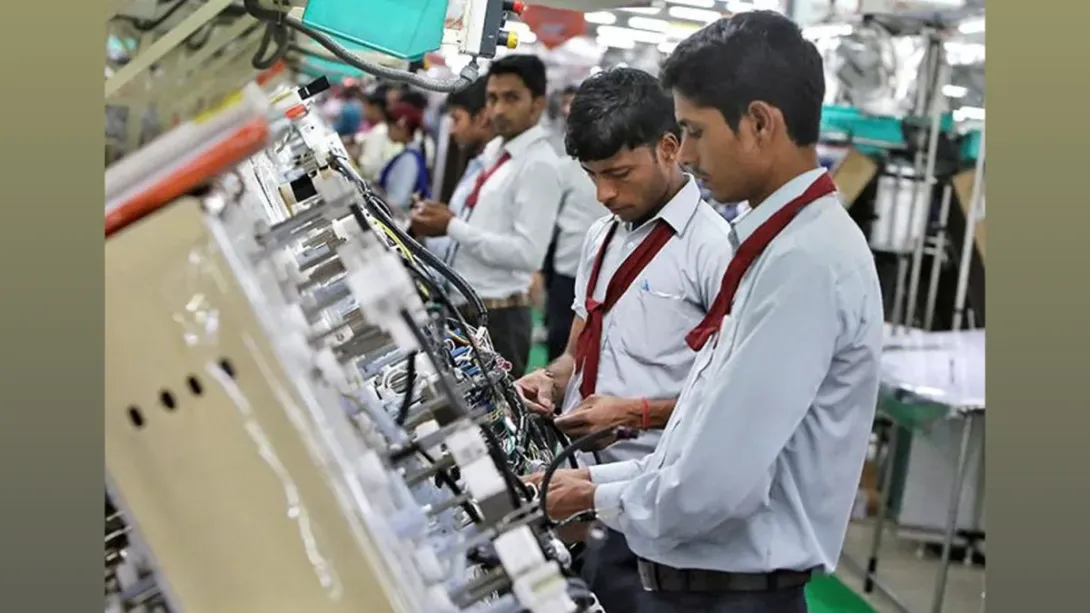
India’s ambitious production-linked incentive (PLI) scheme for mobile manufacturing has delivered outcomes well beyond expectations, signaling a structural transformation in the country’s electronics sector. With investments reaching Rs 17,519 crore—more than double initial targets—and production crossing Rs 8.12 lakh crore, the program has catalyzed large-scale industrial growth. Smartphone exports alone touched Rs 2.62 lakh crore in 2025, positioning the country as a net exporter rather than an importer. Backed by policy consistency and global supply chain realignments, India is rapidly emerging as a manufacturing hub, strengthening its economic resilience and enhancing its global competitiveness.
PLI Scheme Exceeds Expectations
India’s production-linked incentive framework for mobile manufacturing has emerged as a cornerstone of the country’s industrial policy, delivering results that surpass both investment and output benchmarks. The scheme has attracted cumulative investments of Rs 17,519 crore—more than twice the originally envisaged target—demonstrating strong investor confidence and sustained corporate participation.
Equally significant is the scale of production, which has reached Rs 8.12 lakh crore, exceeding projections by 36 percent. This sharp acceleration highlights the effectiveness of targeted incentives in fostering domestic manufacturing capabilities, while reducing dependency on imports.
Export Momentum Signals Structural Shift
A defining outcome of this policy push is India’s transition into a net exporter of mobile phones. Smartphone exports surged to Rs 2.62 lakh crore in 2025, equivalent to approximately USD 28 billion, marking a historic milestone for the sector.
This export momentum underscores India’s growing integration into global electronics supply chains. What was once a largely import-driven market has evolved into a competitive export base, driven by cost efficiencies, improved infrastructure, and policy stability. The rise in exports also reflects increasing global demand for India-manufactured devices, particularly in emerging markets.
Expanding Manufacturing Ecosystem
The rapid growth of the sector is further evidenced by the proliferation of manufacturing units across the country. More than 300 mobile and component manufacturing facilities are now operational, creating a robust ecosystem that spans assembly, components, and ancillary industries.
This expansion has not only generated employment but also deepened value addition within the domestic economy. The clustering of manufacturing units has enabled economies of scale, improved logistics efficiency, and fostered innovation in production processes.
Policy Vision and Economic Implications
The success of the PLI scheme reflects a broader shift in India’s economic strategy—from consumption-led growth to production-driven expansion. By incentivizing large-scale manufacturing, the government has positioned the country to capture a greater share of global value chains.
Moreover, the transformation of smartphones into one of India’s top exported commodities signals diversification in the export basket, traditionally dominated by services and raw materials. This transition enhances economic resilience and reduces vulnerability to external shocks.
Outlook: Sustaining the Growth Trajectory
Looking ahead, the sustainability of this growth will depend on continued policy support, technological upgradation, and deeper integration with global markets. While the current momentum is strong, maintaining competitiveness will require investments in research and development, supply chain localization, and skill development.
Nevertheless, the trajectory is clear: India’s mobile manufacturing sector is no longer in a nascent stage. It is evolving into a mature, export-oriented industry with the potential to redefine the country’s role in the global electronics landscape.
- Log in to post comments