
Adani Backs Uttar Pradesh’s $1 Trillion Vision, Signals Strong Private Sector Alignment
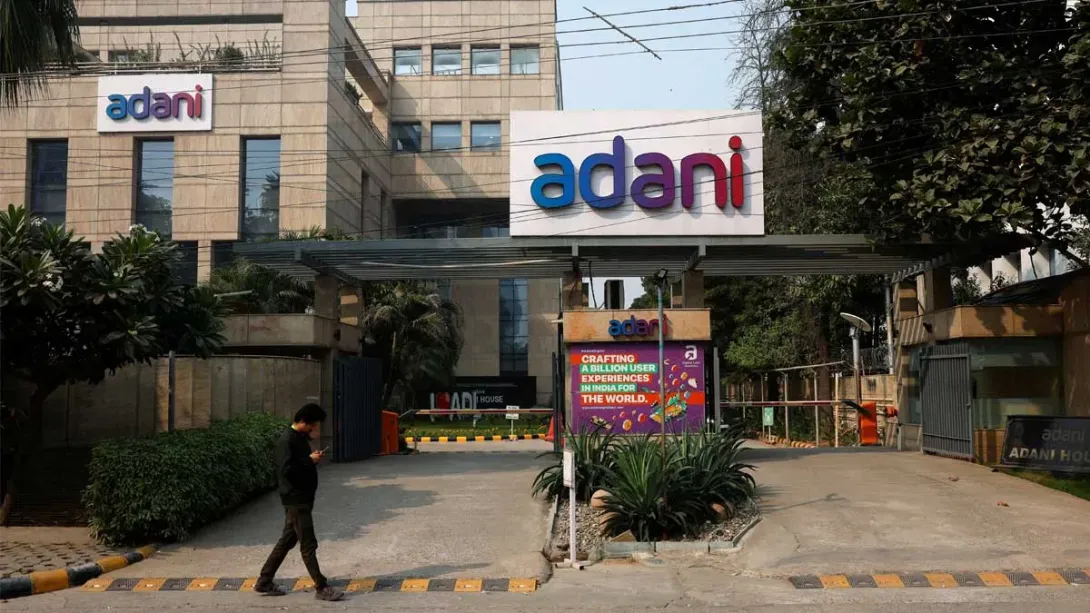
India’s economic ambitions received a notable endorsement as industrialist Gautam Adani expressed strong support for Yogi Adityanath’s vision to transform Uttar Pradesh into a $1 trillion economy by 2030. The meeting between the two leaders highlights increasing collaboration between government and industry in accelerating regional growth. With long-term projections extending to a $6 trillion economy by 2047, the roadmap underscores infrastructure expansion, industrialization, and investment-led growth. The development reflects broader confidence among corporate leaders in India’s state-driven economic transformation model and signals a strengthening alignment between policy direction and private capital deployment.
A Strategic Meeting with Economic Implications
In a significant development for India’s growth narrative, Gautam Adani met Yogi Adityanath in Lucknow to discuss the state’s long-term economic roadmap. The interaction signals a growing synergy between political leadership and corporate stakeholders, particularly at a time when regional economies are emerging as key drivers of national growth.
The discussions revolved around Uttar Pradesh’s ambitious plan to scale its economy to $1 trillion by the end of the decade. This target aligns with India’s broader macroeconomic trajectory, which increasingly depends on high-growth states to contribute meaningfully to GDP expansion.
Adani’s endorsement is not merely symbolic; it reflects a deeper confidence among large conglomerates in the state’s policy framework and execution capabilities.
Uttar Pradesh’s Economic Vision: Scale and Scope
Uttar Pradesh, India’s most populous state, has positioned itself at the center of the country’s economic transformation agenda. The roadmap articulated by Yogi Adityanath outlines a multi-phase growth strategy.
The first milestone—achieving a $1 trillion economy by 2030—focuses on strengthening infrastructure, boosting manufacturing, and attracting foreign and domestic investment. The second phase extends this ambition significantly, targeting a $6 trillion economy by 2047, coinciding with India’s centenary of independence.
This long-term vision reflects a shift from incremental growth to transformative expansion, emphasizing scale, speed, and structural reforms.
Private Sector Confidence and Investment Momentum
The endorsement by Gautam Adani underscores a critical factor in economic development: investor confidence. Large business groups often act as catalysts for broader investment cycles, influencing both domestic and international capital flows.
Adani’s remarks highlighted the clarity and ambition of the state’s roadmap. Such validation from a leading industrialist suggests that Uttar Pradesh is increasingly viewed as a viable destination for large-scale investments in infrastructure, energy, logistics, and manufacturing.
This alignment between policy vision and corporate strategy is essential for translating ambitious targets into measurable economic outcomes.
Infrastructure as the Cornerstone of Growth
A central pillar of Uttar Pradesh’s economic plan is infrastructure development. The state has been aggressively expanding expressways, industrial corridors, and logistics networks to improve connectivity and reduce transaction costs.
For conglomerates like the Adani Group, which operate across sectors such as ports, energy, and logistics, infrastructure readiness is a key determinant of investment decisions. Enhanced connectivity not only facilitates industrial activity but also integrates regional markets into national and global supply chains.
The emphasis on infrastructure signals a pragmatic approach—recognizing that sustainable growth requires robust physical and digital foundations.
Policy Stability and Governance Reforms
Another factor driving investor interest is policy stability. Over the past few years, Uttar Pradesh has implemented measures aimed at improving ease of doing business, streamlining approvals, and reducing bureaucratic bottlenecks.
The leadership of Yogi Adityanath has focused on creating a predictable regulatory environment, which is crucial for long-term capital commitments.
Adani’s engagement with the state government can be seen as a reflection of this improved governance landscape. For investors, consistency in policy and execution is often as important as the scale of opportunity.
Broader Economic Implications for India
The significance of this development extends beyond Uttar Pradesh. India’s growth model is increasingly decentralized, with states competing to attract investment and drive innovation.
If Uttar Pradesh succeeds in achieving its targets, it could serve as a blueprint for other states seeking to accelerate economic development. The involvement of major corporate players further strengthens this model, creating a virtuous cycle of investment, job creation, and income growth.
Moreover, the state’s success would contribute substantially to India’s aspiration of becoming a multi-trillion-dollar economy in the coming decades.
Challenges and the Road Ahead
While the vision is compelling, execution remains the key challenge. Achieving a $1 trillion economy within a defined timeframe requires sustained effort across multiple sectors.
Issues such as land acquisition, skill development, and environmental sustainability will need careful management. Additionally, global economic uncertainties could impact investment flows and demand dynamics.
However, the proactive engagement between government and industry, as evidenced by this meeting, provides a strong foundation for addressing these challenges.
Conclusion: A Convergence of Vision and Capital
The meeting between Gautam Adani and Yogi Adityanath marks more than a routine interaction—it represents a convergence of vision and capital.
As Uttar Pradesh pursues its ambitious economic goals, the backing of influential industrialists could play a निर्णायक role in shaping outcomes. The coming years will determine whether this alignment can translate into tangible growth, but for now, the signals are unmistakably positive.
In an era where economic success hinges on collaboration, Uttar Pradesh’s model offers a compelling case of how strategic partnerships can redefine regional and national trajectories.
- Log in to post comments