
RBI Sets Rs. 2.5 Lakh Crore WMA Limit to Strengthen Government Liquidity Management
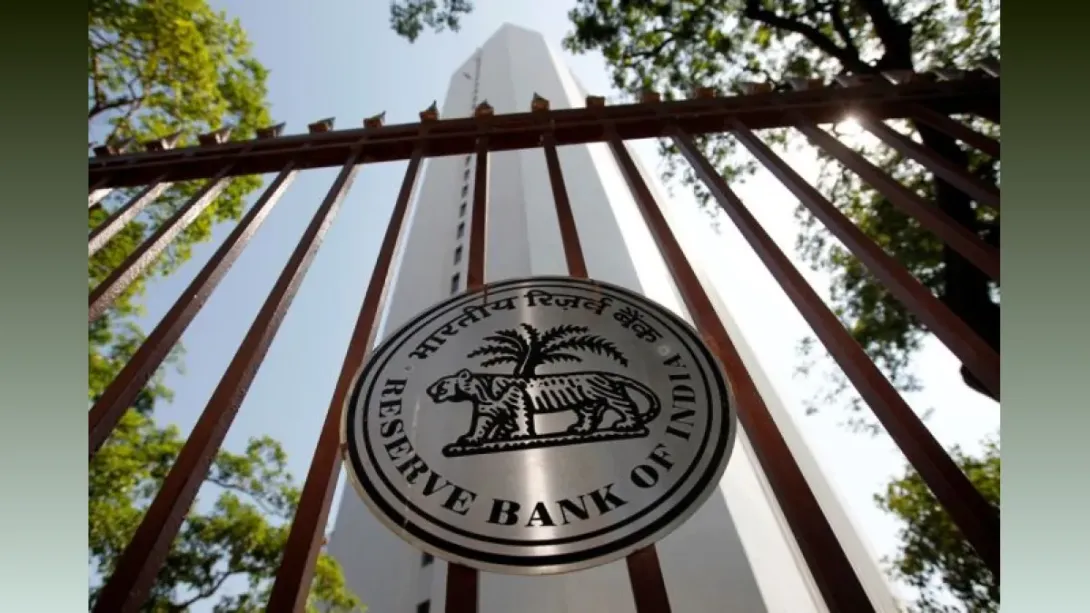
India’s central bank has established a Ways and Means Advances (WMA) limit of Rs. 2.5 lakh crore for the first half of FY2026-27, reinforcing its role in stabilizing short-term government liquidity. The move is designed to address temporary mismatches between receipts and expenditures while maintaining fiscal discipline.
The framework allows flexibility for market borrowing if utilization thresholds are crossed, ensuring continuity in government financing. By retaining the option to revise limits based on evolving macroeconomic conditions, the policy underscores a calibrated approach to liquidity management, balancing fiscal prudence with operational efficiency in an uncertain economic environment.
RBI’s WMA Framework: A Strategic Liquidity Tool
The Reserve Bank of India has fixed the Ways and Means Advances (WMA) limit for the first half of the financial year 2026-27 at Rs. 2.5 lakh crore. This mechanism serves as a short-term credit facility extended to the government, enabling it to manage temporary mismatches between cash inflows and outflows.
WMA acts as a financial buffer, ensuring that routine government operations—such as salary payments, subsidies, and infrastructure spending—continue without disruption even when revenues are unevenly distributed over the fiscal cycle.
Operational Mechanics and Market Implications
Under the current framework, once the government utilizes 75 percent of the WMA limit, the central bank may initiate additional market borrowing through the issuance of government securities. This provision ensures that reliance on central bank funding remains temporary and does not distort broader monetary conditions.
Such a mechanism reflects a disciplined approach to public finance. By encouraging a transition to market-based borrowing beyond a certain threshold, the policy safeguards against excessive monetization of fiscal deficits, thereby preserving macroeconomic stability and investor confidence.
Flexibility Amid Economic Uncertainty
A key feature of the WMA arrangement is its built-in flexibility. The central bank retains the authority to revise the limit depending on prevailing economic conditions, fiscal developments, and liquidity dynamics.
This adaptability is particularly relevant in a global environment marked by volatility in commodity prices, geopolitical uncertainties, and fluctuating capital flows. By maintaining discretionary control, policymakers can respond swiftly to unforeseen fiscal pressures without compromising systemic stability.
Fiscal Discipline and Policy Signaling
The decision to maintain the WMA limit at Rs. 2.5 lakh crore signals a balanced stance between fiscal support and prudence. While the government is provided with adequate liquidity support, the cap ensures that borrowing remains within manageable limits.
From a policy perspective, this also reinforces the commitment to fiscal consolidation. It sends a clear message to financial markets that short-term liquidity support will not translate into unchecked deficit financing, thereby anchoring inflation expectations and supporting currency stability.
Broader Economic Context
The WMA framework operates within the broader context of India’s fiscal and monetary coordination. As public expenditure continues to play a critical role in driving economic growth, especially through infrastructure investments, efficient cash management becomes essential.
At the same time, the central bank must ensure that liquidity injections do not conflict with its inflation-targeting mandate. The structured nature of WMA, combined with its temporary character, helps strike this delicate balance.
Conclusion: A Calibrated Approach to Public Finance
The decision to set the WMA limit at Rs. 2.5 lakh crore reflects a nuanced understanding of India’s fiscal dynamics. It provides the government with operational flexibility while maintaining safeguards against excessive dependence on central bank financing. As economic conditions evolve, the ability to recalibrate this limit will remain crucial.
- Log in to post comments