
RBI Declines Ujjivan SFB’s Universal Bank Bid, Flags Need for Portfolio Diversification
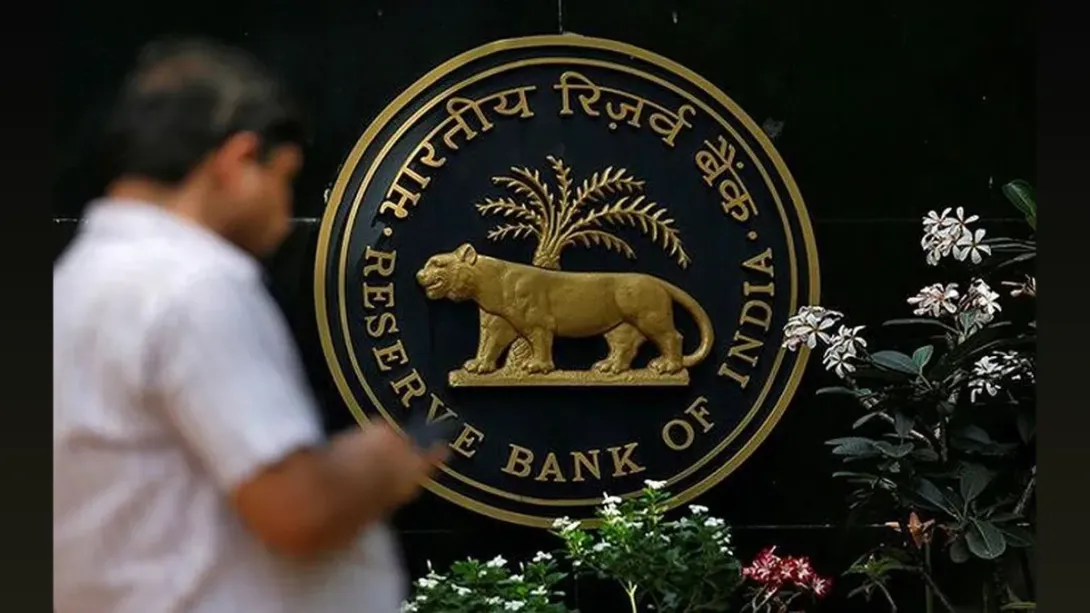
Ujjivan Small Finance Bank has faced a regulatory setback after the Reserve Bank of India declined its application to transition into a universal bank. The central bank acknowledged the lender’s recent efforts to diversify its loan portfolio but advised it to reapply after demonstrating stronger balance across asset segments. The decision underscores the RBI’s cautious approach toward financial stability and risk concentration. For Ujjivan, the development signals both a challenge and an opportunity to recalibrate its growth strategy while aligning more closely with regulatory expectations in India’s evolving banking landscape.
Regulatory Setback for Universal Banking Ambitions
In a significant development within India’s banking sector, Reserve Bank of India has declined the proposal submitted by Ujjivan Small Finance Bank to transition into a universal bank. The decision highlights the regulator’s emphasis on prudential norms and long-term financial resilience over accelerated expansion.
While the rejection may appear as a temporary obstacle, it reflects a structured regulatory process designed to ensure that institutions meet stringent eligibility criteria before scaling operations.
Focus on Loan Portfolio Diversification
A central concern cited by the RBI relates to the composition of Ujjivan’s loan book. Small finance banks typically have a higher concentration in microfinance and unsecured lending segments, which can expose them to elevated credit risk during economic fluctuations.
The regulator has advised the bank to demonstrate a more balanced and diversified portfolio, incorporating a broader mix of secured and retail lending products. Such diversification is critical in mitigating systemic risks and enhancing long-term sustainability.
Acknowledgment of Strategic Progress
Despite declining the application, the RBI recognized Ujjivan’s recent efforts toward diversifying its asset base. This acknowledgment suggests that the bank is moving in the right direction, albeit not yet at the threshold required for universal banking status.
From a strategic standpoint, this feedback provides a clear roadmap for the bank to refine its operational model and strengthen its financial architecture.
Implications for Growth and Market Positioning
The transition to a universal bank would have enabled Ujjivan to expand its product offerings, access lower-cost funding, and compete more directly with larger financial institutions. The delay in approval may temporarily constrain these ambitions.
However, it also presents an opportunity for the bank to build a more resilient foundation, which could enhance investor confidence and improve long-term valuation prospects once regulatory approval is secured.
Regulatory Prudence and Sectoral Stability
The RBI’s decision reflects a broader regulatory philosophy aimed at maintaining stability within the banking system. By prioritizing asset quality and diversification, the central bank seeks to minimize systemic vulnerabilities, particularly in institutions transitioning from niche segments to full-scale banking operations.
This approach reinforces the importance of sustainable growth over rapid expansion in India’s financial sector.
Future Outlook: Pathway to Reapplication
Looking ahead, Ujjivan Small Finance Bank is expected to continue its efforts in diversifying its loan portfolio and strengthening its balance sheet. A successful reapplication will depend on measurable progress in reducing concentration risks and enhancing operational robustness.
For stakeholders, the development serves as a reminder that regulatory alignment remains a critical determinant of growth in the banking industry.
Conclusion
The RBI’s decision to decline Ujjivan’s universal bank application underscores the importance of structural readiness in the financial sector. While the setback delays the bank’s expansion plans, it also provides a strategic inflection point to strengthen its fundamentals. In the evolving landscape of Indian banking, institutions that prioritize resilience, diversification, and compliance are likely to emerge as long-term winners.
- Log in to post comments