
RBI Announces Rs 1 Lakh Crore VRR Auction to Manage Short-Term Liquidity
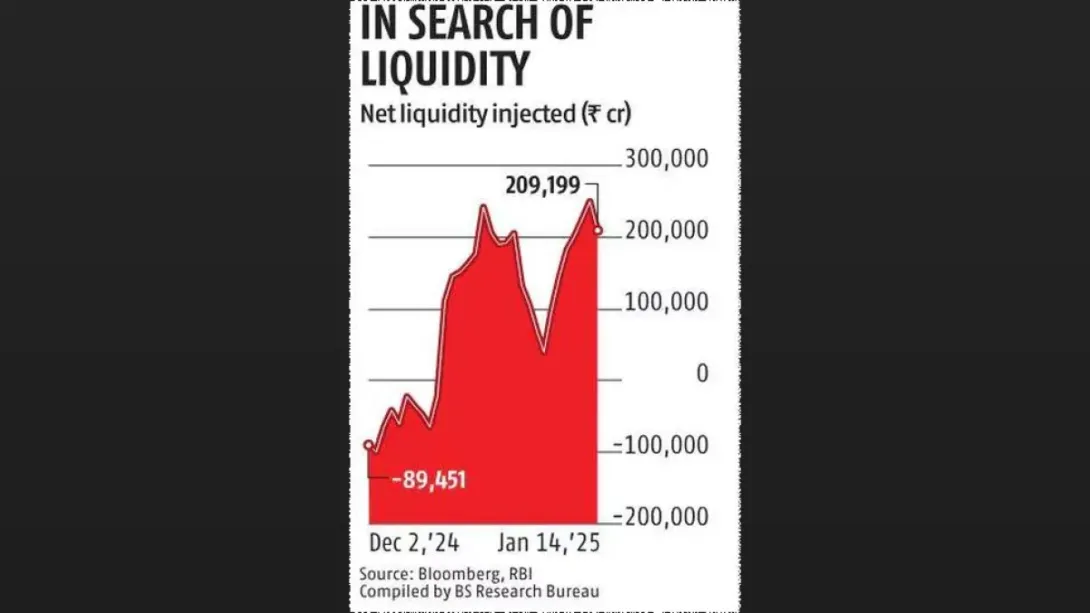
The Reserve Bank of India (RBI) has announced an overnight variable rate repo (VRR) auction worth Rs 1 lakh crore, scheduled for March 23, as part of its ongoing liquidity management strategy. The move aims to address evolving liquidity conditions within the banking system by enabling banks to access short-term funds efficiently. The auction window will remain open for a limited duration, with funds set to be reversed the following day. This intervention highlights the RBI’s proactive approach in maintaining financial stability, ensuring smooth money market operations, and balancing liquidity amid changing economic and monetary conditions.
RBI’s Strategic Liquidity Intervention
The Reserve Bank of India has unveiled plans to conduct a substantial overnight variable rate repo (VRR) auction amounting to Rs 1 lakh crore. Scheduled for March 23, the auction reflects the central bank’s calibrated response to prevailing liquidity dynamics in the financial system.
The VRR mechanism allows commercial banks to borrow funds from the RBI by pledging government securities, thereby addressing short-term liquidity mismatches. By adjusting the quantum and timing of such operations, the central bank ensures that liquidity remains aligned with broader monetary policy objectives.
Auction Details and Operational Framework
According to the central bank’s announcement, the auction will take place between 9:30 am and 10:00 am on March 23. The funds injected into the system through this operation will be reversed on March 24, making it a one-day liquidity infusion.
The variable rate format enables market participants to bid for funds at rates determined through the auction process, promoting efficient price discovery and reflecting real-time demand for liquidity within the banking sector.
Rationale Behind the Move
The decision to conduct the VRR auction is rooted in the RBI’s assessment of current and evolving liquidity conditions. Short-term liquidity pressures can arise due to multiple factors, including tax outflows, government cash balances, and fluctuations in capital flows.
By deploying a large-scale overnight operation, the RBI aims to ease any temporary tightness in the system, ensuring that banks have adequate access to funds to meet their operational and lending requirements.
Impact on Money Markets and Banking System
Such liquidity injections play a crucial role in stabilizing short-term interest rates and maintaining orderly conditions in the money markets. Adequate liquidity helps prevent undue volatility in overnight rates and supports the smooth functioning of interbank transactions.
For banks, access to funds through the VRR window enhances flexibility in managing their balance sheets, particularly during periods of heightened liquidity demand.
Policy Signaling and Market Confidence
Beyond its immediate operational impact, the RBI’s move also serves as a signal of its readiness to intervene proactively in response to market conditions. This reinforces confidence among market participants and underscores the central bank’s commitment to financial stability.
The use of VRR auctions as a liquidity management tool has become increasingly prominent, reflecting a shift toward more market-driven mechanisms in monetary operations.
Conclusion
The announcement of a Rs 1 lakh crore overnight VRR auction highlights the Reserve Bank of India’s agile approach to liquidity management. By addressing short-term funding needs while maintaining policy discipline, the central bank continues to play a pivotal role in ensuring stability and efficiency in India’s financial system.
As liquidity conditions evolve, such targeted interventions are likely to remain a key component of the RBI’s broader monetary strategy.
- Log in to post comments