
Gold and Silver Markets Brace for Turbulence After Breakdown in US-Iran Talks
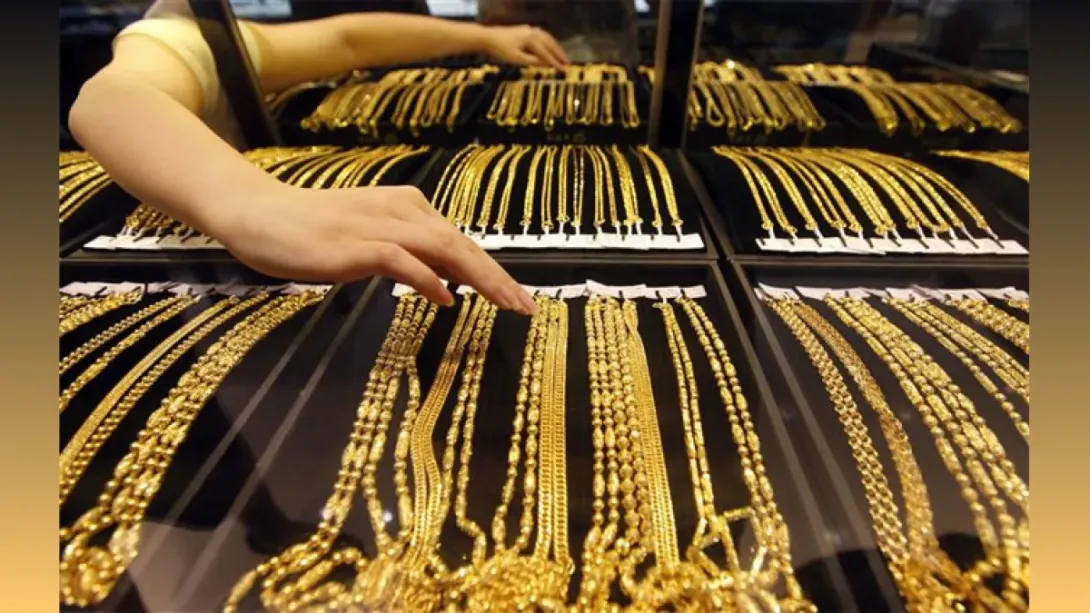
Precious metals markets are poised for heightened volatility following the collapse of diplomatic negotiations between the United States and Iran, a development that has unsettled global investor sentiment. Analysts expect gold and silver prices to react sharply as geopolitical risks intensify and macroeconomic indicators come into focus. Key triggers include inflation data, crude oil price movements, and signals from central banks, particularly the US Federal Reserve. In India, trading schedules will also be briefly disrupted due to a public holiday. Together, these factors are likely to create a complex environment for bullion investors navigating uncertain global conditions.
Geopolitical Breakdown Drives Market Uncertainty
The abrupt collapse of negotiations between the United States and Iran has injected fresh uncertainty into global financial markets, with precious metals expected to react immediately. Gold and silver, traditionally viewed as safe-haven assets, are likely to witness increased trading activity as investors reassess risk exposure.
Statements from Mohammad Bagher Ghalibaf underscored the lack of trust between negotiating parties, further dampening prospects for near-term resolution and intensifying geopolitical concerns.
Bullion Prices Sensitive to Global Triggers
Market participants are closely monitoring a range of macroeconomic indicators that could influence bullion price movements. Among the most critical are the US Producer Price Index (PPI), fluctuations in crude oil prices, and policy signals from the Federal Reserve.
These variables collectively shape inflation expectations and interest rate outlooks, both of which play a decisive role in determining the attractiveness of non-yielding assets such as gold and silver.
Impact of West Asia Tensions on Commodities
The escalation of tensions in West Asia has broader implications for commodity markets, particularly energy prices. Rising crude oil costs can fuel inflationary pressures, thereby increasing demand for precious metals as a hedge against currency depreciation and economic instability.
This interconnected dynamic underscores the sensitivity of bullion markets to geopolitical developments, especially those affecting global energy supply chains.
Domestic Market Adjustments and Trading Schedule
In India, commodity trading activity will experience a temporary pause during the morning session on Tuesday in observance of Dr Baba Saheb Ambedkar Jayanti. Trading is expected to resume in the evening session, potentially amplifying price movements as markets react to accumulated global developments.
Such interruptions can lead to heightened volatility, as traders adjust positions in response to both domestic and international cues.
Investor Strategy Amid Volatility
For investors, the current environment demands a cautious and informed approach. While gold and silver offer protection during periods of uncertainty, price swings can be sharp and unpredictable.
Diversification, disciplined risk management, and close monitoring of macroeconomic indicators are essential strategies for navigating this volatile landscape.
Conclusion: A Fragile Outlook for Precious Metals
The breakdown in US-Iran talks has added another layer of complexity to an already uncertain global economic environment. With multiple factors influencing price movements, gold and silver markets are likely to remain volatile in the near term.
For market participants, staying attuned to geopolitical developments and economic signals will be critical in making informed investment decisions. As uncertainty persists, precious metals will continue to play a pivotal role in portfolio risk management.
- Log in to post comments