
Market Jitters Ahead as US-Iran Talks Collapse, Oil Prices and Geopolitics Take Center Stage
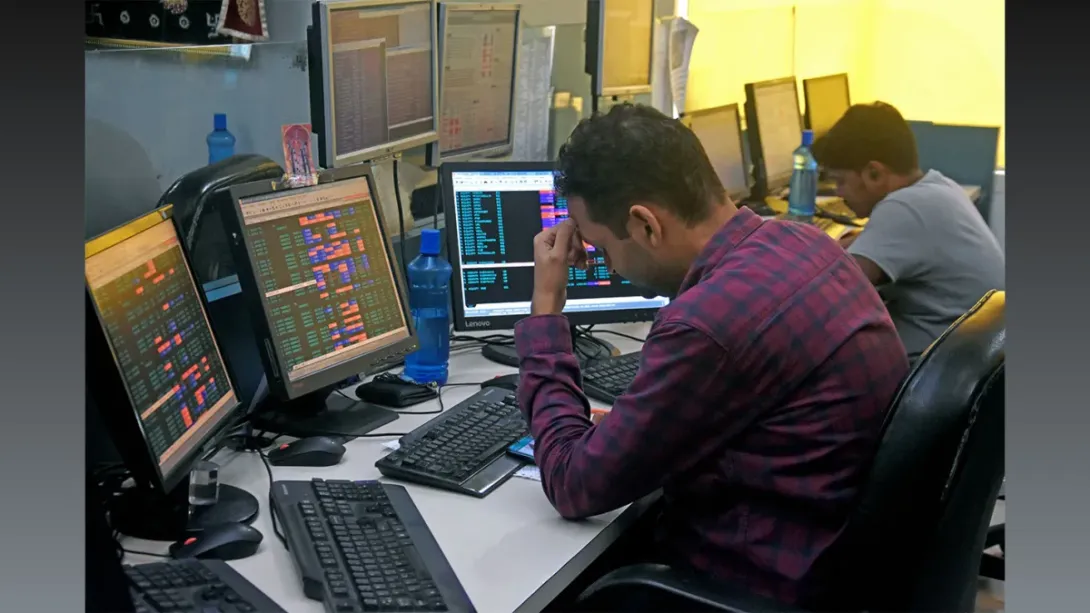
Global financial markets are bracing for heightened volatility as diplomatic talks between the United States and Iran concluded without a breakthrough, intensifying geopolitical uncertainty. Analysts expect investor sentiment to remain fragile when trading resumes, with crude oil prices emerging as a critical variable influencing market direction. The failure to reach a consensus has raised concerns over prolonged tensions in West Asia, a region central to global energy supply chains. In a shortened trading week, market participants are likely to closely monitor macroeconomic signals, geopolitical developments, and energy price movements, all of which could significantly impact equity and commodity markets.
Diplomatic Breakdown Fuels Market Uncertainty
The collapse of negotiations between United States and Iran has introduced a fresh layer of uncertainty into global financial markets. The talks, which concluded without a formal agreement, have heightened concerns about prolonged geopolitical tensions in West Asia.
Officials from both sides acknowledged the impasse, with disagreements over strategic and nuclear-related commitments emerging as key sticking points. Despite the breakdown, diplomatic channels remain open, signaling that future engagements may still be possible.
Investor Sentiment Under Pressure
Market analysts anticipate a cautious start to the trading week, with investor sentiment likely to be influenced by geopolitical developments. The absence of a diplomatic resolution has amplified risk perception, particularly among institutional investors sensitive to global macroeconomic triggers.
Equity markets, which often react swiftly to geopolitical shocks, may witness increased volatility as traders reassess risk exposure. The uncertainty surrounding future negotiations adds to the complexity of market outlooks in the near term.
Crude Oil Prices as a Key Market Driver
Crude oil prices are expected to play a decisive role in shaping market trends in the coming days. Given West Asia’s strategic importance in global energy supply, any escalation in tensions could disrupt supply chains and drive price fluctuations.
Rising oil prices typically exert inflationary pressure on economies, impacting corporate margins and consumer spending. Conversely, any stabilization in prices could provide temporary relief to markets grappling with broader uncertainties.
Holiday-Shortened Week Adds to Volatility
Trading activity will be further influenced by a shortened week, with markets scheduled to remain closed on account of Ambedkar Jayanti. Reduced trading sessions often lead to concentrated market movements, as investors adjust positions within a limited timeframe.
This compressed schedule may amplify price swings, particularly in sectors sensitive to global developments such as energy, banking, and commodities.
Geopolitics and Markets: A Complex Interplay
The ongoing situation underscores the intricate relationship between geopolitics and financial markets. Events in strategically significant regions can have far-reaching implications, influencing everything from currency movements to equity valuations.
The current scenario highlights the importance of diversification and risk management, as investors navigate an environment shaped by both economic fundamentals and geopolitical dynamics.
Conclusion: Cautious Outlook Amid Uncertainty
As markets prepare to reopen, the absence of a diplomatic breakthrough between the United States and Iran is likely to cast a shadow over investor confidence. With crude oil prices and geopolitical signals dominating the narrative, market participants are expected to adopt a cautious approach.
While diplomacy remains an ongoing process, the immediate outlook suggests a period of heightened volatility, reinforcing the need for vigilant monitoring of global developments and strategic investment decisions.
- Log in to post comments